
 The Bio-Methane Economy:
Transforming Waste into Wealth Across the Globe
A New Paradigm for Sustainable Urban Development
The World stands at a critical juncture. Urban populations are expanding rapidly, waste management systems are overwhelmed, energy security remains precarious, and resource efficiency demands immediate action. What if a single integrated solution could address all these challenges simultaneously?
Enter the Bio-Methane Economy—an emerging paradigm that transforms urban waste streams into clean energy while capturing valuable methane resources that would otherwise escape, creating circular nutrient cycles, and delivering reliable power, heating, and cooling to city centres through decentralised Combined Cooling, Heating and Power (CCHP) systems.
This is not theoretical. The technology exists. The economics work. What's needed now is vision, investment, and political will. Innovative investment structures, supported by investor's commitment to global 'clean' energy leaderships.
Understanding the Bio-Methane Economy
The Three Pillars
The Bio-Methane Economy rests on three integrated pillars that create a virtuous cycle of resource efficiency:
1. Waste Management Excellence
Cities generate enormous volumes of organic waste—sewage sludge from treatment works, food waste from households and restaurants, agricultural residues from surrounding regions. Traditionally, these materials create environmental hazards: landfills that leak methane (a 'claimed' volitile greenhouse gas - but explosive if not effectively managed), contaminated waterways, and lost nutrients that could enrich agricultural soils.
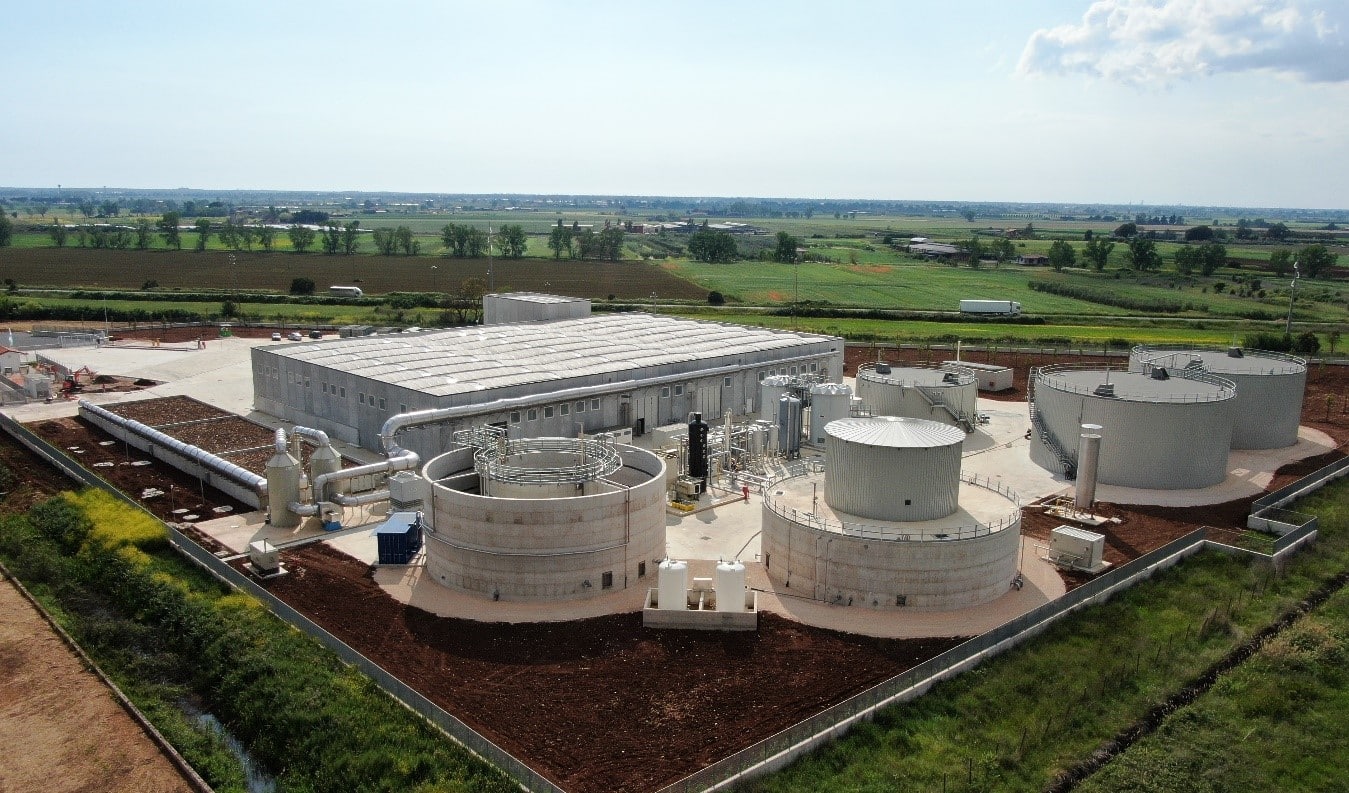
Through anaerobic digestion, these waste streams become valuable feedstocks. Microorganisms break down organic matter in oxygen-free environments, producing biogas (approximately 60% methane, 40% CO₂ plus other trace gases) and nutrient-rich digestate. The digestate returns to agricultural land as fertiliser, closing the nutrient loop.
London's three principal sewage treatment works alone—Beckton, Crossness, and Mogden—process waste from over 9 million people and could generate substantial bio-methane volumes alongside the city's commercial and residential food waste collections.
2. Methane Capture and Resource Optimization
Methane escaping from organic waste decomposition represents both an air quality concern and wasted energy potential.
Capturing this methane before it disperses and converting it to useful energy represents a double benefit: preventing atmospheric pollution AND utilizing a valuable resource that would otherwise be wasted.
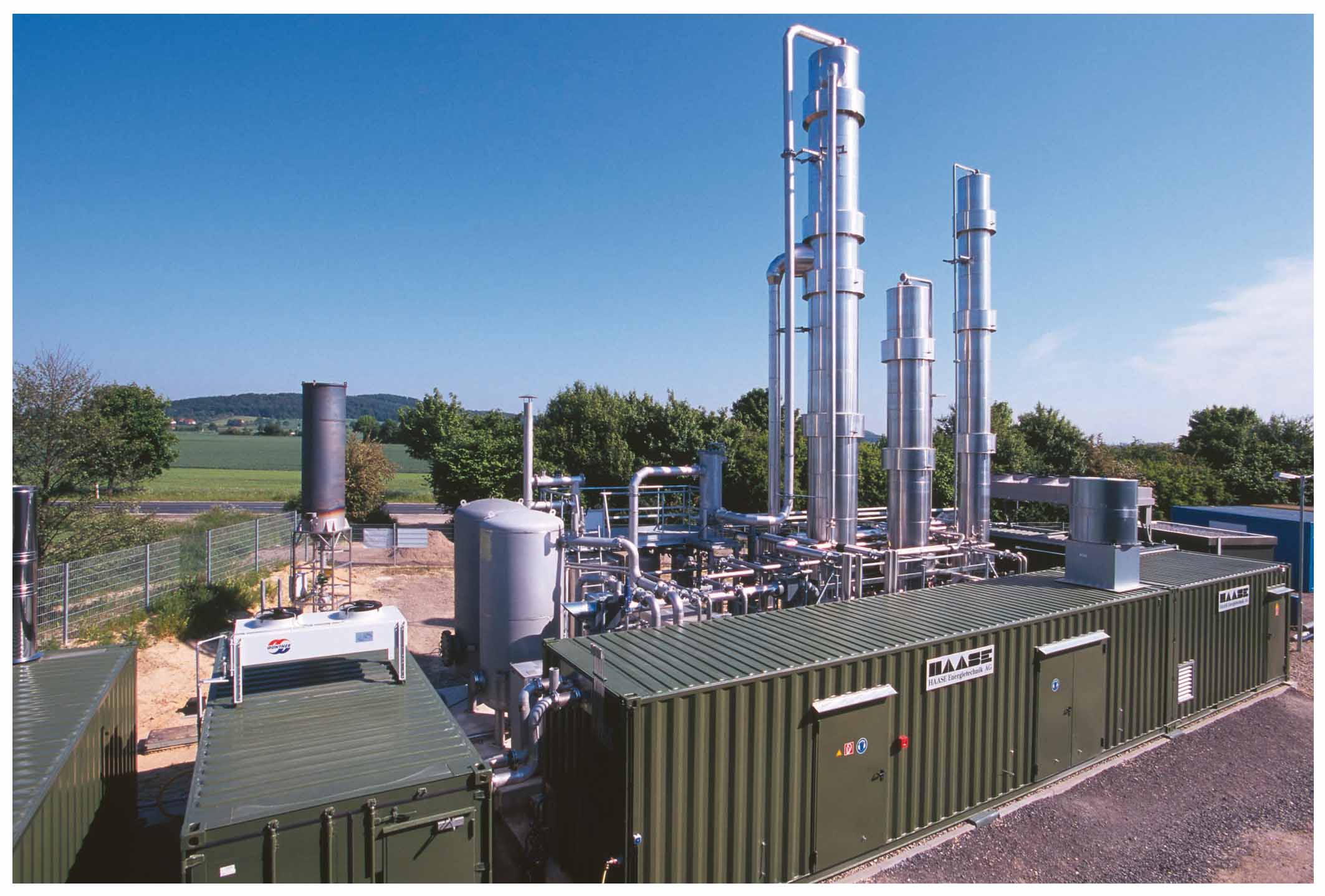
The bio-methane produced through anaerobic digestion can be upgraded to grid-quality specifications (removing CO₂, hydrogen sulphide, and trace gases) and either injected into existing natural gas networks or used directly, via gas pipework in localised energy systems. The CO₂ separated during upgrading isn't wasted—it can supply greenhouse growers and indoor agriculture operations, creating yet another revenue stream.
3. Decentralised Energy Generation
This is where the Bio-Methane Economy demonstrates its true elegance. Rather than generating electricity (inefficiently - due to the wasted HEAT) in distant power stations and transmitting it hundreds of miles (losing 5-10% to grid losses), bio-methane fuels Combined Cooling, Heating and Power (CCHP) systems located at the heart of urban demand centres.
CCHP systems achieve 80-90% power & thermal efficiency—nearly double the 40-50% efficiency of conventional centralised power generation. They produce electricity on-site while capturing "waste" heat for district heating networks. In summer, absorption chillers use this waste heat to provide cooling without the massive heat rejection of conventional air conditioning systems, directly combating the urban heat island effect that makes cities unbearably hot.
London demonstrates this concept beautifully. By locating CCHP plants in the City/Canary Wharf/Whitehall etc, fed via the GAS GRID, from the Beckton, Crossness, and Mogden sewage treatment works—already processing waste from millions of residents—bio-methane can power city centre buildings with minimal transmission losses. Heat networks distribute warmth in winter; absorption cooling provides comfort in summer. The integrated urban metabolism (Click to see detailed article) completes the circle: waste becomes energy, energy becomes services, and the city operates as an efficient, self-sustaining system.
Why Now? The Perfect Convergence
Resource Efficiency and Air Quality Imperatives
Modern cities face mounting pressure to improve resource utilization and air quality. The Bio-Methane Economy delivers immediate benefits across multiple vectors: capturing methane that would otherwise pollute the atmosphere, generating clean energy from waste resources, eliminating dependence on imported hydrocarbons, and reducing transmission losses through localized generation.
Economic Viability
Unlike many renewable energy technologies that rely on subsidies, bio-methane systems generate revenue from multiple sources: waste disposal gate fees, electricity sales, heat supply contracts, CO₂ sales, and fertiliser products. Infrastructure-grade returns (7-10% IRR over 20-30 year concession periods) attract patient capital from sovereign wealth funds, development finance institutions, and pension funds seeking stable, inflation-linked assets.
Technological Maturity
This is proven technology with decades of operational track record. Thermal hydrolysis, anaerobic digestion, gas upgrading, CCHP engines, absorption chillers, district heat networks—every component has been tested and refined. The integration challenge is organisational and financial, not technical.
Developing Nations' Needs
Many nations, particularly in Africa, Asia, and the Caribbean, face acute waste management crises, unreliable electricity supply, and vulnerability to hydrocarbon price shocks. Bio-methane systems address all three challenges while creating local employment and retaining energy expenditure within national economies rather than paying for imported fuels.
 Supporting Green Energy Globally
Investor's commitment to 'clean' energy extends far beyond its borders. Through Foundations or Sovereign Wealth Funds, for Education, Science and Community Development, significant investment flows to renewable energy research, clean technology development, and sustainable infrastructure projects worldwide.
Innovative investment structures for bio-methane infrastructure represent a natural evolution of this commitment. Strategic investments in waste-to-energy platforms deploying bio-methane systems across international cities would build us all, not just, a reputation as a comprehensive energy solutions provider, but a catalyst for efficient, integrated energy systems.
Implementation: From Concept to Reality
We will produce a "Position Paper" shortly with potential partner Organisations.
- on going negotiations are currently in play!
Conclusion: From Waste to Wealth, From Challenge to Opportunity
Every city generates waste. Every city needs energy. Every city faces resource efficiency pressures. The Bio-Methane Economy transforms these three challenges into one integrated solution.
Organic waste becomes bio-methane. Bio-methane powers CCHP systems delivering electricity, heating, and cooling to urban centres with exceptional efficiency. Waste heat that would exacerbate urban heat islands instead provides useful services. Methane that would pollute the atmosphere gets captured and converted to energy. Nutrients that would contaminate waterways return to agricultural soils. Energy expenditure that would flow to foreign hydrocarbon producers stays within local economies, creating jobs and building resilience.
This is systems thinking applied at city scale. This is circular economy made tangible. This is resource optimization delivering economic returns.
The Bio-Methane Economy awaits. The choice is ours.